 Long Island

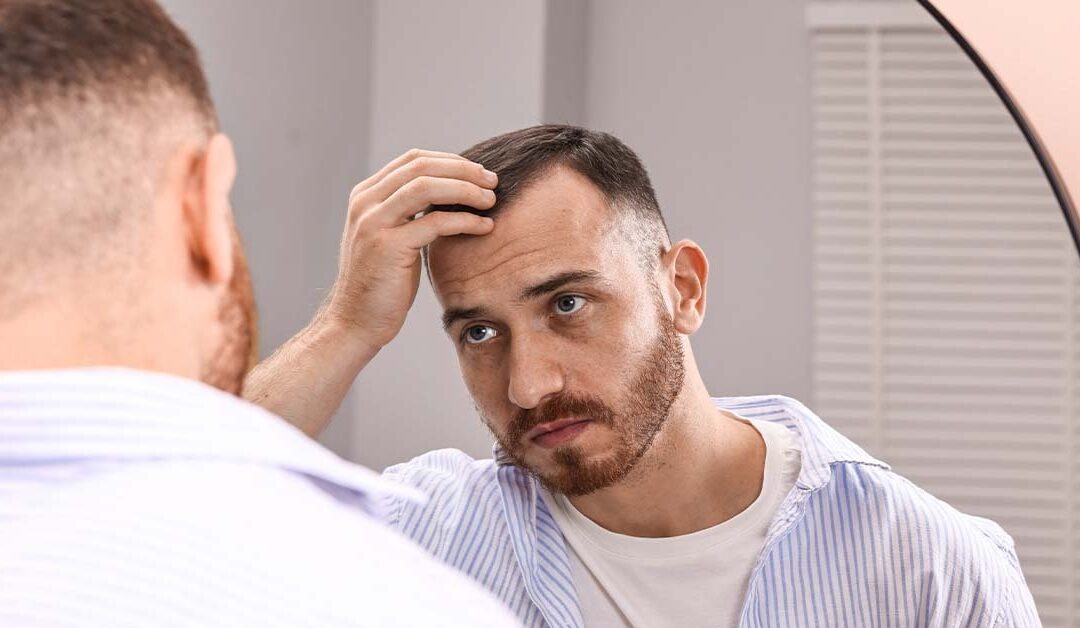
Most of us are familiar with health warnings about consuming too much alcohol: it can cause liver damage, heart disease, decline in brain function, and more. What is less often discussed is the toll it can take on one’s appearance. Consuming even moderate amounts of alcohol can make one’s skin and hair look dull and lifeless, and if consumption continues over time, it can even lead to hair loss.
Can Too Much Alcohol Make Your Hair Fall Out?
Drinking too much alcohol causes stress, dehydration, nutritional deficiencies, and hormonal imbalances. All of these are detrimental to one’s hair.
Alcohol causes a stress reaction within the body, which leads to telogen effluvium… a form of hair loss characterized by excess shedding throughout the scalp. Alcohol also acts as a diuretic, leeching water from the body. When the body is dehydrated, hair becomes dry, brittle, and more likely to break or shed. Dehydration is harmful to hair follicles, making them less productive.
Additionally, alcohol interferes with the ability to absorb hair-friendly nutrients like proteins, B vitamins, iron, and zinc. When the scalp does not receive adequate amounts of these, hair becomes brittle and thin, and the growth cycle can be disrupted. Finally, drinking can cause hormonal imbalances, including a boost in the hormones that spur permanent, progressive hair loss.
How Much Does Alcohol Affect Hair Loss?
Alcohol consumption affects everyone differently, and its effect on hair loss depends on several factors. These include how much and how often one drinks, how one’s body reacts to and metabolizes alcohol, and the overall state of one’s health.
Occasional drinking (in moderation) rarely causes significant hair loss. Long-term, frequent, or excessive alcohol use is much more likely to impact your health and eventually cause damage to your hair and scalp.
Can Alcohol Cause Alopecia Areata?
Alcohol consumption isn’t a direct cause of alopecia areata, where the immune system attacks hair follicles, causing patchy hair loss. However, excessive or long-term use of alcohol can cause dehydration, nutrient deficiencies, immune system dysregulation, and other stresses on the body that trigger or worsen alopecia areata and other autoimmune disorders.
Will My Hair Grow Back if I Stop Drinking Alcohol?
If your hair loss is caused by alcohol consumption, your hair may grow back if you stop drinking and maintain a healthy lifestyle. When you give up alcohol, your body is less stressed, more hydrated, and better able to absorb hair-nourishing nutrients. Avoiding alcohol may also allow your hormones to return to a healthier balance, reducing the production of hormonal byproducts that speed hereditary and other forms of hair loss.
Be aware that results will not appear overnight. It takes months for your body to repair itself and for your hair to progress through its natural growth cycle. While you maintain a healthy, alcohol-free routine, we recommend non-surgical treatments like PRP and stem cell therapies to improve the health of your scalp and to create optimal conditions for hair growth.
For certain individuals, especially those who already have androgenic alopecia or another form of progressive hair loss, some or all of their alcohol-related hair loss may become permanent. If this is the case, it may be worthwhile to consider surgical hair replacement.
Helping You Achieve Your Hair Restoration Goals
LA FUE Hair NYC understands alcohol- and lifestyle-related hair loss. We can help you choose treatments to maximize your existing hair, ensure the best possible regrowth, and replace permanently lost hair. We are happy to answer any questions you have and to assist you in setting your hair restoration goals. Take that first step to a thicker, fuller head of hair, and contact us today to set up a complimentary consultation.