 Long Island

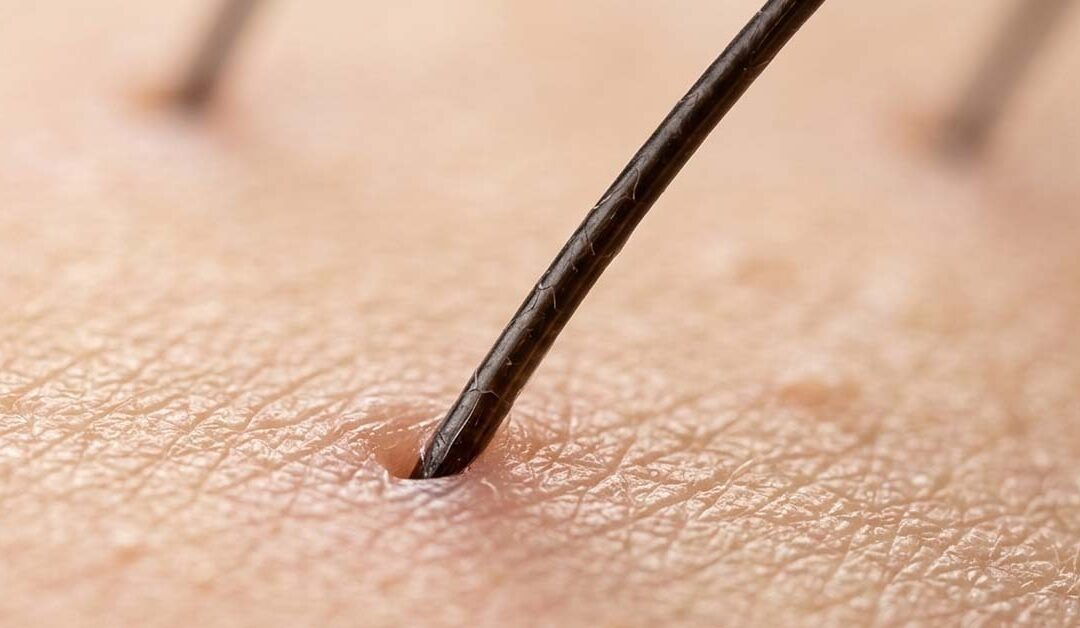
If you have recently noticed more hair than usual on your pillow or in the shower drain, you may have started asking a question many people never think about until something feels off: what is a hair follicle, and why does it matter so much?
The answer goes deeper than the surface of the skin — quite literally. Hair follicles are tiny, complex structures with their own anatomy, their own growth cycle, and their own vulnerabilities. Understanding them is the first step toward understanding why hair thins, why it sheds, and what can be done to restore it. Whether you are simply curious about how your hair works or you are weighing options like an FUE hair transplant procedure, a clear picture of follicle biology can help you make calmer, more confident decisions about your scalp and your future.
Hair Follicle Anatomy: A Look Beneath the Skin
The hair follicle is a small, tube-like organ embedded in the dermis — the deeper layer of the skin. The average adult scalp contains about 100,000 hair follicles. Each follicle reaches from the scalp surface down to a bulb-shaped base where new hair growth begins. Surrounding it are the sebaceous glands, which produce the oils that keep your hair and skin lubricated, and the arrector pili muscle, which contracts when you are cold or startled (yes, that is what gives you goosebumps). Together, these microscopic structures form the foundation of hair follicle anatomy — a system designed to grow, support, and continuously refresh every strand on your head.
What Is a Hair Follicle Made Of?
A hair follicle is a layered, living structure. At its base sits the dermal papilla, a cluster of specialized cells fed by tiny blood vessels that deliver the nutrients and signaling molecules required for hair production.
Wrapped around the papilla is the hair matrix, where rapidly dividing keratinocytes generate the protein that forms each strand. Above the matrix, the follicle is organized into concentric sleeves — the inner root sheath, which shapes the hair as it grows upward, and the outer root sheath, which connects the follicle to the surrounding skin. In fact, the matrix is among the fastest-dividing tissues in the human body, which is why healthy follicles are also so sensitive to disruptions in nutrition, hormones, or blood supply.
The Layers of the Follicle Explained
You can think of the follicle as a series of nested tubes. The hair shaft itself — the part you see — is built from three layers: the medulla (the soft inner core), the cortex (the dense middle layer that gives hair its strength and pigment), and the cuticle (the protective outer scales that lay flat like roof tiles). Beneath the surface, the surrounding sheaths anchor the strand and guide its direction as it pushes outward. The whole arrangement is small enough to require a microscope to study in detail, yet sophisticated enough to support continuous, pigmented growth for years at a time.
Hair Follicle Function: More Than Growing Strands
Hair follicles do far more than produce visible hair. They help regulate scalp temperature, contribute to sensory feedback through nerves wrapped around each base, and house stem cells that play a quiet but important role in skin healing. When the scalp is cut or injured, follicles in the area help repopulate the surrounding tissue. From a hair restoration standpoint, however, the most important hair follicle function is something simpler: producing healthy, pigmented hair on a predictable, repeating cycle — for decades, in most cases.
How Many Hairs Are in One Follicle?
A common assumption is that each follicle produces a single hair — but that is not quite right. On the scalp, hairs grow in groups called follicular units, each containing one to four follicles bundled tightly together along with their shared sebaceous glands and supporting tissue. This natural grouping is what makes modern Follicular Unit Excision (FUE) possible: surgeons extract these clusters one at a time and transplant them in patterns that mimic how hair grows in nature. So, while a single follicle produces a single strand, what you see on a healthy scalp is actually a tapestry of one-, two-, three-, and four-hair groupings working together to create the appearance of density.
Is a Hair Follicle a Hair Root?
The terms are often used interchangeably, but they refer to slightly different things. The hair root is the portion of an individual hair strand that sits below the surface of the skin — essentially the living, growing end of the hair itself. The hair follicle is the surrounding structure: the tube, sheaths, glands, nerves, and base that house and nourish the root.
Put another way, the root lives inside the follicle and the follicle is the larger biological unit that makes ongoing hair growth possible. When people talk about pulling a hair “out by the root,” they are usually pulling the strand and a small piece of its sheath — the follicle itself almost always stays put.
The Hair Growth Cycle and What Makes Hair Follicles Grow
Every follicle on your scalp moves through a repeating growth cycle made up of distinct phases. The anagen (growth) phase can last two to seven years, during which the follicle actively produces a new strand at a rate of roughly half an inch per month. Catagen is a brief transition phase of two to three weeks in which the follicle shrinks and detaches from its blood supply. Telogen is the resting phase, lasting about three months, during which the strand sits dormant before being shed in the exogen phase, making room for a new anagen cycle to begin. At any given moment, roughly 85 to 90 percent of scalp hairs are in the anagen phase, which is why a healthy head of hair always looks consistently full even though individual strands are constantly cycling.
What Makes Hair Follicles Grow?
Follicles are remarkably responsive to a wide range of biological signals. Healthy growth depends on adequate blood flow, balanced hormones, sufficient micronutrients (especially iron, zinc, biotin, and vitamin D), and clean signaling between the dermal papilla and the surrounding stem cells. Genetics set the baseline — including how sensitive each follicle is to dihydrotestosterone (DHT), the hormone responsible for androgenetic hair loss — and lifestyle factors like sleep, stress, and nutrition fine-tune what your follicles can actually deliver.
When all of these inputs align, follicles cycle reliably for decades. When they do not, the cycle shortens, strands grow thinner, and the follicle eventually becomes dormant. This is the biological story behind most progressive hair loss treatments — restoring or replacing the inputs a struggling follicle has lost.
Do Hair Follicles Grow Back?
This is one of the most frequently asked questions in hair restoration, and the honest answer depends on what kind of damage the follicle has experienced. A follicle that has simply entered telogen is not gone — it is resting, and it will produce a new hair when its next anagen phase begins. Follicles affected by temporary stressors like illness, postpartum hormonal shifts, crash dieting, or short-term nutritional deficiencies typically recover on their own once the underlying issue resolves, often within a few months.
However, follicles that have been scarred, miniaturized to dormancy by androgenetic alopecia, or destroyed by trauma or burns generally do not regenerate on their own. In scarring (cicatricial) alopecia, for example, inflammation around the bulge of the follicle destroys the stem cells needed for new hair growth, replacing them with scar tissue.
Depending on your form of hair loss, restoring hair in an affected area may require healthy follicles to be relocated from elsewhere on the scalp — which is precisely what an FUE hair transplant accomplishes. Donor follicles taken from the back and sides of the scalp are generally resistant to DHT and continue to produce hair for life once they are transplanted into a thinning area, behaving as if they had grown there from the start.
What Is the White Stuff at the End of the Hair Follicle?
If you have ever pulled out a strand of hair and noticed a small white or translucent bulb at its base, you may have wondered whether you damaged the follicle itself. You almost certainly did not. That white bulb of keratin is not the follicle — the follicle stays in your scalp. What you are seeing is a club hair: a hardened, keratinized base formed during the resting (telogen) phase of the growth cycle, along with a small amount of the surrounding sheath material that traveled out with the strand.
In a normal telogen shed, the follicle remains intact in the scalp and quietly prepares to grow a new strand. The presence of a white or clear bulb is generally a sign of a complete, healthy growth cycle — not a sign of damage or permanent loss. Hairs that are pulled out forcefully (for example, by tight hairstyles or aggressive brushing) can occasionally bring along a bit of the surrounding sheath, but the follicle itself almost always stays where it belongs.
When Hair Follicles Stop Producing Hair
Most forms of progressive hair thinning come down to follicle behavior. In androgenetic alopecia — the most common form of hair loss in both men and women — DHT-sensitive follicles gradually shrink, producing finer and shorter strands until they stop producing visible hair entirely. The follicle is still technically present, but it has become so miniaturized that it can no longer support a healthy hair cycle. This is why early intervention matters: medical therapies like finasteride, minoxidil, and platelet-rich plasma can slow or partially reverse miniaturization when the follicle is still active, while surgical options like FUE can replace lost coverage with follicles that remain genetically resistant to the hormone.
Other conditions — like alopecia areata (an autoimmune condition in which the immune system mistakenly attacks healthy hair follicles), traction alopecia, telogen effluvium, and various scarring alopecias — affect follicles differently, and each has its own treatment trajectory. The right starting point is almost always a careful, in-person evaluation by a hair restoration specialist who can examine your follicles under magnification and identify what is actually happening at the root.
A Note from LA FUE Hair New York
At LA FUE Hair New York, we believe that understanding the biology of your hair is part of feeling confident about the path forward. Whether you are noticing the earliest signs of thinning, weighing your treatment options, or actively considering an FUE hair transplant, our team of specialists in Garden City and New York City is here to walk you through every detail with the care, clarity, and discretion you deserve. To learn what your follicles are telling you and explore a personalized restoration plan, book a consultation with our team today.
If this was useful, tell Google you want more of it.